
Start with the mouth itself
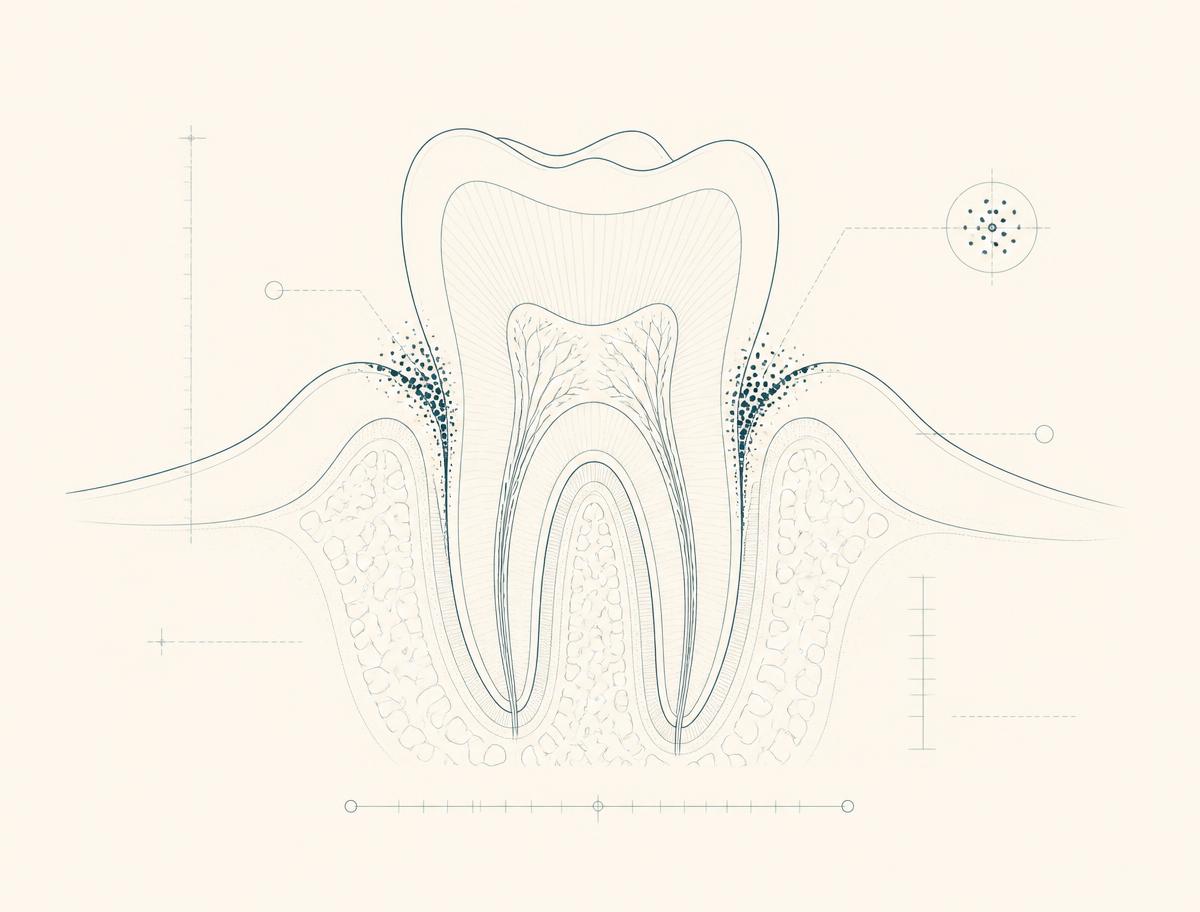
The human mouth hosts several hundred species of bacteria. Most are harmless residents; a smaller number are associated with problems. Species such as Streptococcus mutans metabolise dietary sugars and produce acid, which over time can demineralise enamel. Others accumulate in plaque along the gum line and are associated with the inflammatory response that characterises gingivitis and, if it advances, periodontitis.
Researchers describe this community as the oral microbiome. The working idea in the field is that oral health depends less on eliminating bacteria than on the composition of the community — which species dominate, and under what conditions.
What an oral probiotic is meant to do
A probiotic is a live micro-organism intended to confer a benefit when taken in adequate amounts. An oral probiotic is formulated to act in the mouth rather than the gut, which is why products in this category are usually chewables or lozenges — the intent is contact time with oral surfaces.
The proposed mechanisms studied in the literature include competition for attachment sites, production of substances that inhibit other bacteria, and influence on the local inflammatory environment. These are legitimate research questions, actively investigated.
Claims and evidence, side by side
Product information
According to DentaVive's product information
The supplement is described as supporting a healthy balance of bacteria in the mouth, and in that way supporting teeth, gums and fresher breath. The chewable format is presented as the delivery route for that intent.
Research context
Research on these ingredients suggests
Certain strains — K12 and some L. reuteri strains most notably — have been investigated for narrow, measurable effects: volatile sulphur compounds associated with breath odour, plaque and gingival index scores as an adjunct to cleaning. Study sizes are small and results are mixed.
Editorial take
What that difference means for you
A plausible mechanism plus preliminary strain-level findings is not the same as a demonstrated product outcome. Read the marketing as a description of intent, and set expectations from the research rather than from the sales page.
What is explicitly not established
Some claims circulate around oral supplements in general — that they cure gum disease, rebuild loose teeth, prevent tooth loss, or make dental treatment unnecessary. Where such statements appear in marketing for any product, they should be read as marketing claims, and they should not be treated as established medical outcomes. No oral probiotic has been shown to do these things, and gum disease and tooth loss have causes that a supplement does not address.
Where the real leverage is
Mechanical plaque disruption — brushing twice daily with fluoride toothpaste, cleaning between the teeth, professional cleaning at appropriate intervals — is the intervention with the strongest evidence in dentistry. Anything described as "supporting" oral health sits on top of that, never in place of it.
A realistic frame
If someone takes DentaVive and their mouth feels fresher, that is a plausible and unremarkable outcome for a chewable oral probiotic. If they expect a change in gum attachment, enamel structure or an existing dental diagnosis, the mechanism described does not support that expectation and no published trial of the product offers it.
Effects from oral probiotics also appear to be transient. Supplemented strains generally do not permanently colonise the mouth, so whatever influence they have tends to depend on ongoing use — a point worth factoring into any decision about cost.
References
Continue reading
- Ingredients analysisEach strain examined individually, with the limits of its evidence stated.
- The full DentaVive reviewOur overall assessment of the product and the information behind it.
- Oral health guideThe daily fundamentals that carry the strongest evidence.
- DentaVive FAQDirect answers to the most common questions about the product.